Experiencing sudden weakness in the legs, tingling sensations in the hands, or difficulty walking can be alarming. While these symptoms may seem minor initially, they could indicate a rare neurological condition known as Guillain-Barré Syndrome (GBS). Seeking prompt medical attention is essential because early diagnosis and treatment can significantly improve recovery outcomes. If you are looking for Guillain-Barré Syndrome Treatment in Nashik, understanding its symptoms, causes, and management options can help you or your loved ones receive timely care.
What is Guillain-Barré Syndrome?
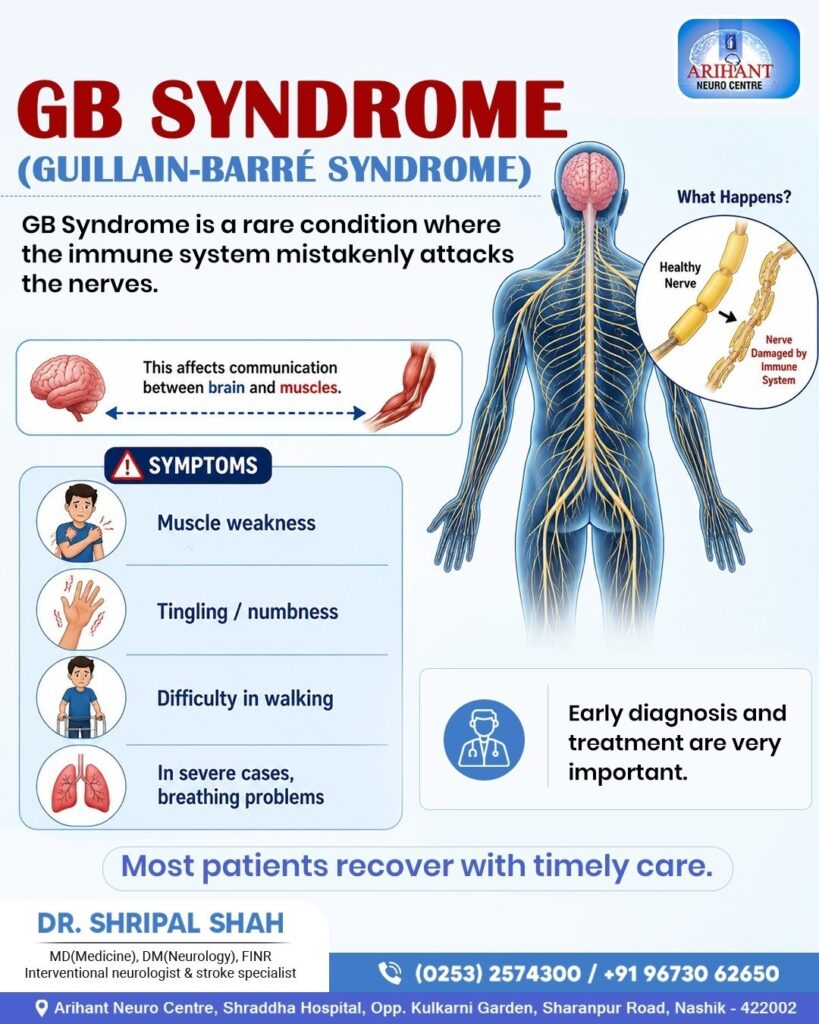
Guillain-Barré Syndrome, commonly called GBS, is an uncommon autoimmune disorder in which the body’s immune system mistakenly attacks the peripheral nerves. These nerves are responsible for transmitting signals between the brain, spinal cord, and muscles.
When the protective covering of the nerves, known as myelin, becomes damaged, communication between the brain and muscles is disrupted. As a result, patients may experience weakness, numbness, and problems with movement.
GBS can affect people of any age, but it is more commonly seen in adults and older individuals. Although it is considered a rare disorder, it requires immediate medical evaluation because symptoms can progress rapidly.
What Causes Guillain-Barré Syndrome?
The exact cause of GBS is not always known. However, the condition often develops after an infection that stimulates an abnormal immune response.
Common triggers include:
- Viral infections such as influenza
- Respiratory tract infections
- Gastrointestinal infections
- Certain bacterial infections
- Rarely, surgery or vaccination
Researchers believe that the immune system becomes confused after fighting an infection and starts attacking healthy nerve tissues instead.
Early Symptoms of Guillain-Barré Syndrome
Recognizing the warning signs of GBS is crucial because symptoms can worsen within days or weeks.
1. Muscle Weakness
Muscle weakness is one of the earliest and most common symptoms of Guillain-Barré Syndrome.
Patients may notice:
- Weakness in the legs
- Difficulty climbing stairs
- Trouble getting up from a chair
- Reduced grip strength
The weakness often starts in the lower limbs and gradually moves upward toward the arms and face.
2. Tingling and Numbness
Many patients experience unusual sensations before weakness becomes severe.
These sensations may include:
- Tingling in the fingers
- Pins-and-needles feeling in the toes
- Numbness in the hands and feet
- Burning or aching pain
These symptoms occur because damaged nerves cannot transmit signals effectively.
3. Difficulty Walking
As muscle weakness progresses, maintaining balance and coordination becomes challenging.
People with GBS may experience:
- Unsteady walking
- Frequent stumbling
- Difficulty standing for long periods
- Loss of coordination
Walking difficulties should never be ignored, especially when accompanied by numbness or weakness.
4. Breathing Problems in Severe Cases
GBS can sometimes affect the muscles responsible for breathing.
Warning signs include:
- Shortness of breath
- Difficulty taking deep breaths
- Weak cough
- Rapid breathing
Breathing difficulties are considered a medical emergency and may require intensive care support.
Why Early Diagnosis is Important
Early diagnosis and treatment are among the most important factors influencing recovery from Guillain-Barré Syndrome.
Benefits of Timely Treatment
✔ Reduces nerve damage
✔ Prevents severe muscle weakness
✔ Lowers the risk of respiratory complications
✔ Shortens hospital stay
✔ Improves long-term mobility and independence
Many individuals with GBS recover completely or regain most of their normal function when treatment is started promptly.
How Guillain-Barré Syndrome is Diagnosed
Neurologists perform a detailed neurological examination and recommend specialized investigations to confirm the diagnosis.
Diagnostic tests may include:
Nerve Conduction Studies (NCS)
These tests evaluate how well electrical signals travel through the nerves.
Electromyography (EMG)
EMG helps determine the extent of nerve and muscle involvement.
Lumbar Puncture
A sample of cerebrospinal fluid is collected to identify characteristic changes associated with GBS.
Blood Tests
Blood investigations help exclude other conditions that may cause similar symptoms.
Treatment Options for Guillain-Barré Syndrome
Although there is no definitive cure for GBS, effective treatments can reduce disease severity and speed up recovery.
Common treatment approaches include:
Intravenous Immunoglobulin (IVIG)
IVIG therapy helps block the harmful immune response attacking the nerves.
Plasma Exchange (Plasmapheresis)
This procedure removes antibodies from the blood that contribute to nerve damage.
Supportive Care
Patients may require:
- Physical therapy
- Occupational therapy
- Pain management
- Nutritional support
- Respiratory assistance in severe cases
Rehabilitation plays a significant role in helping patients regain muscle strength and return to daily activities.
Recovery and Long-Term Outlook
The recovery period varies from person to person. Some patients improve within weeks, while others may take several months to regain full strength.
Most patients recover well with appropriate treatment, although a small percentage may experience residual weakness or fatigue.
Regular follow-up with a neurologist ensures proper monitoring and rehabilitation throughout the recovery journey.
When Should You Consult a Neurologist?
Seek immediate medical attention if you experience sudden muscle weakness, tingling sensations, difficulty walking, or breathing problems. Early neurological assessment can prevent complications and improve the chances of a successful recovery.
At Arihant Neuro Centre, Nashik, Dr. Shripal Shah, Interventional Neurologist and Stroke Specialist, provides comprehensive evaluation and treatment for Guillain-Barré Syndrome and other complex neurological disorders. Timely diagnosis and expert care can make a meaningful difference in restoring nerve function and improving quality of life.