
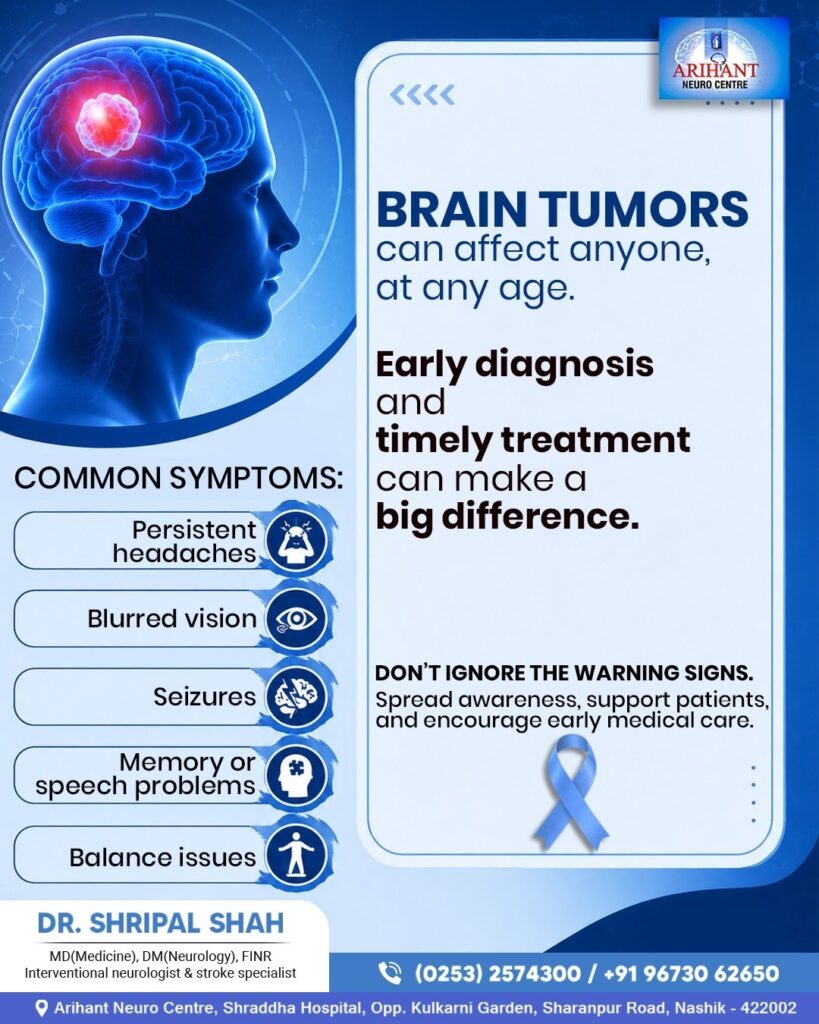
Brain tumors are among the most challenging neurological conditions because they can affect people of any age and often develop silently. Many patients initially ignore symptoms such as headaches, blurred vision, memory problems, or seizures, assuming they are related to stress, aging, or lack of sleep. However, recognizing these warning signs and seeking medical attention at the right time can significantly improve treatment outcomes. If you are searching for Brain Tumor Treatment in Nashik, understanding the importance of early diagnosis and available treatment options can help protect neurological health and improve quality of life.
What is a Brain Tumor?
A brain tumor is an abnormal growth of cells inside the brain or surrounding tissues. Tumors may be benign, meaning they grow slowly and do not spread to other parts of the body, or malignant, which are cancerous and tend to grow more aggressively.
Regardless of their nature, brain tumors can increase pressure inside the skull and interfere with important brain functions such as movement, speech, vision, memory, and balance.
Brain tumors may occur in children, adults, and elderly individuals. Some develop within the brain itself, while others spread from cancers located elsewhere in the body.
Why Early Diagnosis is Important
One of the most important aspects of managing brain tumors is early identification. Symptoms often begin gradually and may become more noticeable as the tumor enlarges.
Early diagnosis provides several benefits:
✔ Greater chances of successful treatment
✔ More surgical options available
✔ Better preservation of neurological function
✔ Reduced risk of permanent disability
✔ Improved survival and recovery rates
Patients diagnosed during the initial stages generally experience better outcomes compared to those diagnosed after symptoms become severe.
Common Warning Signs of Brain Tumors
Symptoms depend on the size and location of the tumor. Some patients may experience only one symptom, while others develop multiple neurological problems.
Persistent Headaches
Headaches associated with brain tumors are often different from ordinary headaches.
You should seek medical advice if headaches:
- Occur frequently
- Become progressively worse
- Wake you up from sleep
- Are accompanied by vomiting
- Do not improve with routine medications
Blurred Vision
Changes in vision can occur when tumors affect the optic nerves or visual pathways.
Symptoms may include:
- Blurred eyesight
- Double vision
- Difficulty focusing
- Reduced field of vision
Regular eye examinations and neurological evaluations are important if visual symptoms persist.
Seizures
Seizures can sometimes be the first indication of a brain tumor.
Signs of seizures include:
- Sudden body jerking
- Brief episodes of unresponsiveness
- Unusual sensations
- Temporary confusion
- Loss of consciousness
Adults experiencing seizures for the first time should undergo immediate neurological assessment.
Memory and Speech Problems
Tumors involving areas responsible for language and cognition may cause noticeable changes in daily functioning.
Patients may experience:
- Difficulty remembering names
- Trouble concentrating
- Forgetting recent conversations
- Slurred speech
- Problems understanding spoken words
Family members often recognize these symptoms before the affected individual notices them.
Balance Issues
Brain tumors affecting the cerebellum can interfere with coordination.
Common symptoms include:
- Frequent falls
- Unsteady walking
- Dizziness
- Difficulty performing routine activities
These symptoms should not be ignored, especially when associated with headaches or vision disturbances.
How Brain Tumors are Diagnosed
Accurate diagnosis requires a detailed neurological examination along with advanced imaging techniques.
Investigations commonly recommended include:
MRI Brain Scan
MRI is one of the most effective methods for identifying brain tumors and determining their exact location.
CT Scan
CT scans provide quick images of brain structures and may be useful during emergency evaluations.
Biopsy
A biopsy helps determine whether the tumor is benign or malignant and guides further treatment decisions.
Neurological Assessment
Specialists assess muscle strength, coordination, reflexes, speech, memory, and sensory functions to understand the impact of the tumor.
Treatment Options for Brain Tumors
Treatment plans vary depending on the tumor type, size, location, and overall health of the patient.
Available treatment approaches include:
- Surgical removal of the tumor
- Radiation therapy
- Chemotherapy
- Targeted medications
- Rehabilitation therapy
- Anti-seizure medications
- Steroids to reduce brain swelling
Many patients require a combination of treatments for optimal outcomes.
When Should You Consult a Neurologist?
Do not ignore persistent headaches, seizures, blurred vision, speech difficulties, memory disturbances, or balance problems. While these symptoms do not always indicate a brain tumor, they deserve prompt evaluation by a neurologist.
At Arihant Neuro Centre, Nashik, Dr. Shripal Shah, Interventional Neurologist and Stroke Specialist, provides comprehensive assessment and management for brain tumors and other neurological disorders. Timely diagnosis and expert treatment can help patients achieve better recovery and maintain independence.