
Introduction
Vertigo is a common neurological condition that creates a false sensation of movement, usually making a person feel like they or their surroundings are spinning. It is not a disease itself but a symptom of an underlying issue related to the inner ear, brain, or sensory pathways. Many patients ignore early signs, assuming it is simple dizziness, but untreated vertigo can affect balance, daily activities, and quality of life. According to Dr Shripal Shah, Brain Specialist in Nashik, early diagnosis and targeted treatment are essential to prevent complications and improve recovery outcomes. Vertigo can occur at any age but is more commonly seen in adults due to inner ear disorders, migraine, or neurological conditions.
What is Vertigo?
Vertigo is a type of dizziness characterized by a spinning or rotational sensation even when a person is still. It is often linked to the vestibular system, which controls balance and spatial orientation. When this system is disrupted, the brain receives incorrect signals, resulting in imbalance and disorientation. Vertigo can be episodic or chronic depending on its cause.
Causes of Vertigo
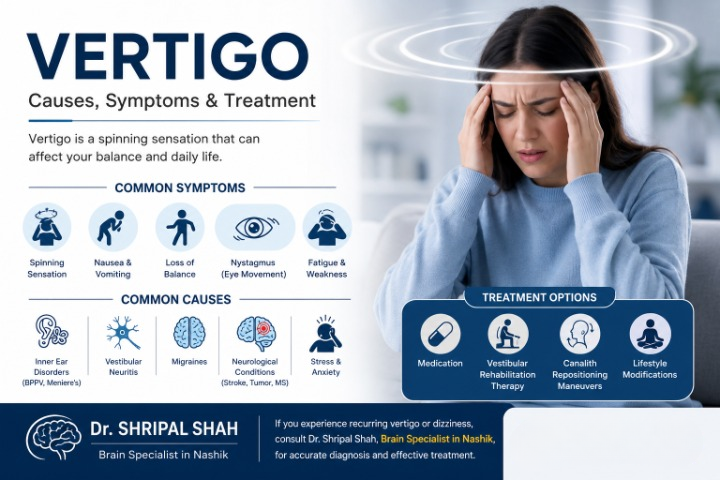
There are several underlying causes of vertigo, which may include:
1. Inner Ear Disorders
Benign Paroxysmal Positional Vertigo (BPPV) is one of the most common causes. It occurs when calcium particles in the inner ear move out of place.
2. Meniere’s Disease
This condition involves fluid buildup in the inner ear, leading to vertigo, hearing loss, and tinnitus.
3. Vestibular Neuritis
An infection or inflammation of the vestibular nerve can disrupt balance signals.
4. Migraines
Some patients experience vertigo as part of a vestibular migraine even without headache.
5. Neurological Causes
Brain-related conditions such as stroke, tumors, or multiple sclerosis can also lead to vertigo. In such cases, consulting a Brain Specialist in Nashik becomes crucial for accurate diagnosis.
Symptoms of Vertigo
Vertigo symptoms vary in intensity and duration. Common signs include:
- Spinning sensation or dizziness
- Loss of balance or unsteadiness
- Nausea or vomiting
- Sweating and fatigue
- Abnormal eye movements (nystagmus)
- Difficulty in walking or standing
These symptoms may worsen with sudden head movements or changes in position.
Diagnosis of Vertigo
Proper diagnosis is essential to identify the root cause. Dr Shripal Shah uses a detailed clinical evaluation along with neurological and vestibular tests. These may include:
- Physical examination and patient history
- Dix-Hallpike maneuver for BPPV
- Hearing tests
- MRI or CT scan if neurological causes are suspected
Accurate diagnosis helps in planning effective treatment and preventing recurrence.
Treatment for Vertigo
Treatment depends on the underlying cause:
Medication
Anti-vertigo and anti-nausea medicines help control symptoms in acute cases.
Vestibular Rehabilitation Therapy (VRT)
Special exercises improve balance and reduce dizziness over time.
Canalith Repositioning Maneuvers
For BPPV, specific head movements help reposition inner ear crystals.
Lifestyle Modifications
Avoiding sudden head movements, staying hydrated, and managing stress can reduce episodes.
Advanced Neurological Care
If vertigo is linked to brain disorders, specialized neurological treatment is required under expert supervision.
When to Consult a Doctor
You should consult a specialist if vertigo episodes are frequent, severe, or associated with symptoms like double vision, speech difficulty, weakness, or loss of consciousness. Dr Shripal Shah, a trusted Brain Specialist in Nashik, emphasizes that early intervention can significantly improve outcomes and prevent serious neurological complications.
Prevention Tips
While not all causes of vertigo are preventable, certain habits can reduce risk:
- Maintain proper hydration
- Avoid excessive caffeine and alcohol
- Manage stress effectively
- Get adequate sleep
- Follow up regularly if you have recurring dizziness
Conclusion
Vertigo can be distressing, but with timely diagnosis and proper care, it is highly manageable. Understanding its causes and symptoms helps in seeking early medical attention. With expert evaluation from Dr Shripal Shah, patients can receive accurate diagnosis and personalized treatment, ensuring better balance, stability, and quality of life.
Vertigo is a condition that causes a spinning or dizziness sensation.
Inner ear disorders, migraines, and neurological problems are common causes.
Dizziness, loss of balance, nausea, vomiting, and a spinning feeling.
It can be mild or a sign of an underlying neurological condition, depending on the cause.
Doctors diagnose vertigo through medical history, physical examination, and balance or imaging tests.
Yes. Most cases improve with medicines, exercises, and lifestyle changes.
Visit a doctor if dizziness is severe, frequent, or accompanied by weakness or vision problems.
Stress may worsen vertigo symptoms in some people.
Yes, some types of vertigo can recur and may require follow-up treatment.
Dr. Shripal Shah is an experienced neurologist who evaluates the underlying cause of vertigo and provides personalized treatment for neurological balance disorders.