
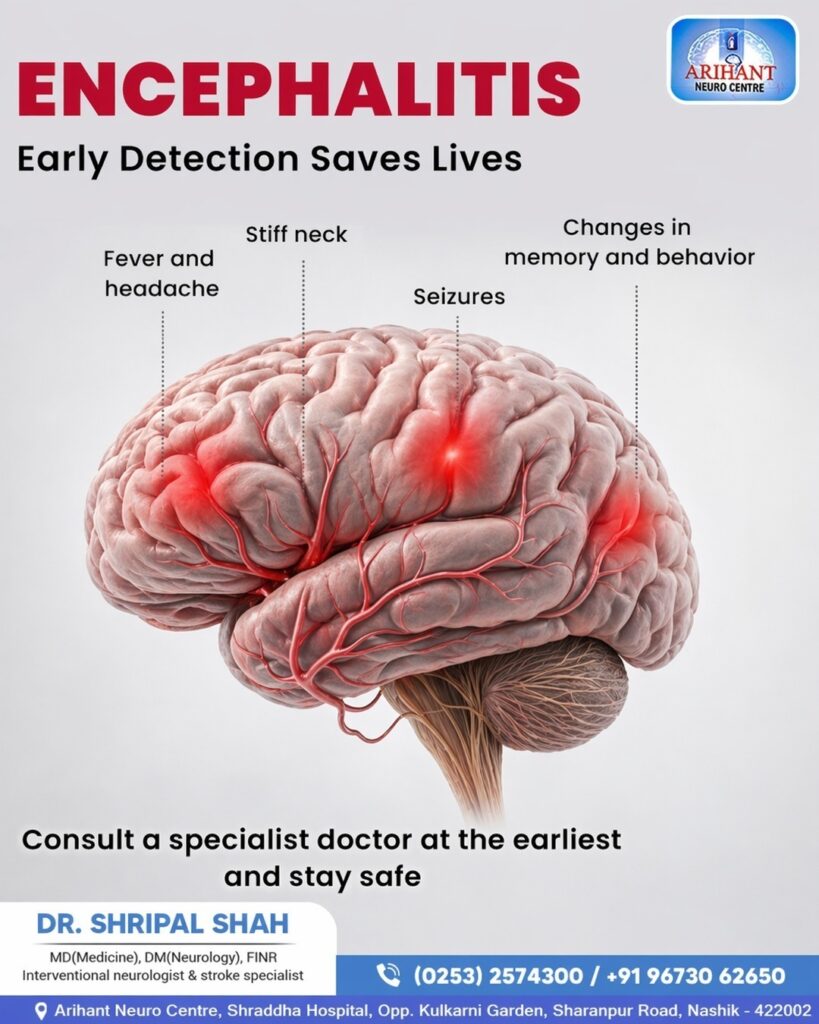
Encephalitis is a serious neurological condition that causes inflammation of the brain tissue. Prompt diagnosis and treatment are crucial because delayed medical attention can lead to permanent neurological damage or even become life-threatening. If you are searching for Encephalitis Treatment in Nashik, understanding the warning signs and seeking immediate medical evaluation can significantly improve outcomes.
The brain controls every essential function of the body, including movement, memory, speech, and behavior. When inflammation affects brain tissue, these functions may become impaired within a short period. Encephalitis can affect individuals of any age, although children, older adults, and people with weakened immune systems are considered more vulnerable.
What Causes Encephalitis?
Encephalitis commonly develops due to viral infections. Certain viruses can directly infect brain tissue, while in some cases, the body’s immune response mistakenly attacks healthy brain cells.
Common causes include:
- Viral infections
- Autoimmune disorders
- Mosquito-borne viruses
- Complications from existing infections
- Rare bacterial or fungal infections
- Identifying the underlying cause helps specialists determine the most effective treatment strategy.
Early Symptoms of Encephalitis
Recognizing symptoms at an early stage is extremely important. Initial signs may resemble common viral illnesses, making it easy to overlook the condition.
Watch for symptoms such as:
Fever and Persistent Headache
A high fever accompanied by a severe headache that does not improve with routine medication should never be ignored.
Stiff Neck
Difficulty bending the neck forward, along with pain and rigidity, may indicate inflammation affecting the brain and surrounding tissues.
Seizures
Sudden episodes of uncontrolled body movements, staring spells, or loss of consciousness require urgent medical assessment. Seizures are among the major warning signs associated with encephalitis.
Changes in Memory and Behavior
Patients may become confused, forget familiar information, display unusual aggression, or experience personality changes. These symptoms suggest involvement of brain regions responsible for cognition and emotional regulation.
Additional symptoms may include:
- Excessive sleepiness
- Sensitivity to light
- Difficulty speaking
- Loss of coordination
- Weakness in arms or legs
- Reduced alertness
Why Early Detection Matters
Timely diagnosis plays a vital role in preventing complications. Brain inflammation can progress rapidly, causing swelling that increases pressure inside the skull.
Early medical intervention offers several advantages:
✔ Prevents permanent neurological damage
✔ Reduces the risk of prolonged seizures
✔ Improves chances of complete recovery
✔ Minimizes memory and behavioral disturbances
✔ Lowers the likelihood of intensive care admission
Many patients respond better to treatment when therapy is initiated within the first few days of symptom onset.
How Is Encephalitis Diagnosed?
Neurologists use advanced investigations to confirm the diagnosis and identify the underlying cause.
Diagnostic tests may include:
- Brain MRI
- CT Scan
- Electroencephalogram (EEG)
- Blood investigations
- Cerebrospinal fluid analysis through lumbar puncture
These tests help assess brain inflammation, detect abnormal electrical activity, and rule out other neurological conditions.
Treatment Options for Encephalitis
Treatment depends on the severity and cause of the disease.
Management may involve:
- Antiviral medications
- Anti-seizure medicines
- Corticosteroids
- Intravenous fluids
- Respiratory support when needed
- Rehabilitation therapy for speech, movement, and memory recovery
Patients diagnosed early generally experience better long-term neurological outcomes.
When Should You Consult a Neurologist?
Immediate consultation with a specialist is recommended if fever, severe headache, seizures, neck stiffness, confusion, or sudden behavioral changes develop. Delaying treatment may increase the risk of complications.
At Dr. Shripal Shah specializes in evaluating and managing complex neurological disorders, including encephalitis, seizures, and stroke-related conditions. Early recognition and expert neurological care can make a significant difference in preserving brain function and improving quality of life.