
Introduction
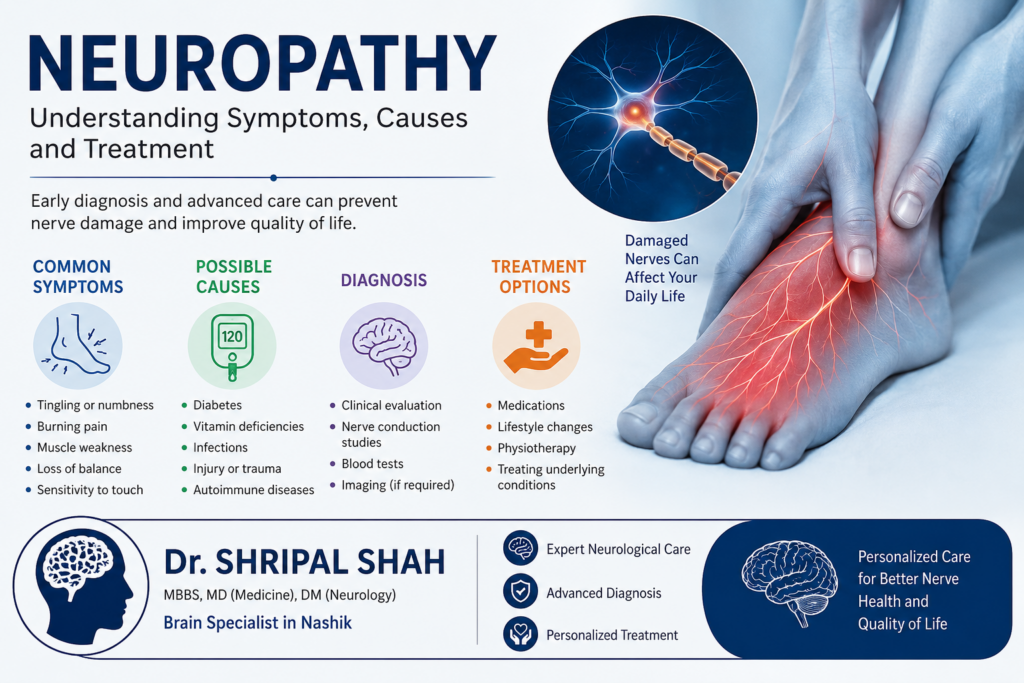
Neuropathy is a neurological condition that affects the peripheral nerves, leading to weakness, numbness, tingling, and pain, usually in the hands and feet. It can significantly impact daily life if not diagnosed and treated early. According to Dr. Shripal Shah, a trusted Brain Specialist in Nashik, early evaluation of nerve-related symptoms is essential to prevent long-term complications and improve quality of life.
What is Neuropathy?
Neuropathy refers to damage or dysfunction of one or more nerves in the peripheral nervous system. These nerves are responsible for sending signals between the brain, spinal cord, and the rest of the body. When these nerves are damaged, communication breaks down, resulting in abnormal sensations or loss of function.
There are different types of neuropathy, including:
- Peripheral neuropathy
- Autonomic neuropathy
- Focal neuropathy
- Proximal neuropathy
Each type affects different parts of the body and presents unique symptoms.
Common Causes of Neuropathy
Neuropathy can develop due to several underlying health conditions and external factors. Some of the most common causes include:
1. Diabetes
Diabetes is the leading cause of neuropathy worldwide. High blood sugar levels damage nerve fibers over time.
2. Vitamin Deficiency
Deficiency of vitamins like B12, B1, and B6 can affect nerve health.
3. Infections
Certain viral or bacterial infections can damage nerves.
4. Injury or Trauma
Physical injuries, especially those affecting the spine or limbs, may lead to nerve damage.
5. Autoimmune Diseases
Conditions like lupus or rheumatoid arthritis can cause the immune system to attack nerves.
Symptoms of Neuropathy
Symptoms vary depending on the type and severity of nerve damage. Common signs include:
- Tingling or “pins and needles” sensation
- Burning pain in hands or feet
- Muscle weakness
- Loss of coordination or balance
- Extreme sensitivity to touch
- Numbness in affected areas
If these symptoms persist, consulting a specialist like Dr. Shripal Shah, Brain Specialist in Nashik, is strongly recommended.
How Neuropathy is Diagnosed
Diagnosis involves a combination of clinical evaluation and medical tests. A neurologist may perform:
- Physical and neurological examination
- Nerve conduction studies (NCS)
- Electromyography (EMG)
- Blood tests to identify underlying causes
- Imaging tests if needed
Early diagnosis plays a key role in preventing permanent nerve damage.
Treatment Options for Neuropathy
Treatment depends on the underlying cause and severity of the condition. The main goal is to manage symptoms and prevent further nerve damage.
1. Medications
Pain relievers, anti-seizure drugs, and antidepressants may be prescribed to manage nerve pain.
2. Lifestyle Modifications
- Maintaining healthy blood sugar levels
- Balanced diet rich in vitamins
- Regular physical activity
- Avoiding alcohol and smoking
3. Physiotherapy
Helps improve muscle strength, coordination, and balance.
4. Treating Underlying Conditions
Managing diabetes, infections, or vitamin deficiencies is crucial for long-term relief.
According to Dr. Shripal Shah, early intervention can significantly slow down progression and improve nerve function recovery.
When to See a Specialist
You should consult a neurologist if you experience:
- Persistent numbness or tingling
- Unexplained muscle weakness
- Burning pain in limbs
- Difficulty walking or maintaining balance
Dr. Shripal Shah, an experienced Brain Specialist in Nashik, provides advanced evaluation and personalized treatment plans for neuropathy patients, focusing on long-term neurological health.
Conclusion
Neuropathy is a progressive condition that should never be ignored. Early diagnosis, proper treatment, and lifestyle changes can help control symptoms effectively. With expert care from specialists like Dr. Shripal Shah, patients can achieve better nerve health and improved quality of life. If you notice early signs, seeking timely medical advice is the most important step toward recovery.
Neuropathy is a condition caused by damage to the nerves, leading to pain, numbness, or weakness.
Tingling, burning sensation, numbness, muscle weakness, and sharp nerve pain are common symptoms.
Diabetes, vitamin deficiencies, infections, injuries, and certain medications can cause neuropathy.
Yes, neuropathy can often be managed with medications, lifestyle changes, and treatment of the underlying cause.
You should consult a neurologist if you have persistent numbness, tingling, burning pain, or weakness.
Yes, diabetic neuropathy is one of the most common complications of uncontrolled diabetes
A neurologist may recommend a neurological examination, nerve conduction studies, blood tests, or imaging if needed.
If left untreated, nerve damage may become permanent, so early diagnosis and treatment are important.
Yes, controlling blood sugar, eating a healthy diet, exercising, and avoiding alcohol can help reduce symptoms.
Dr. Shripal Shah is an experienced neurologist and brain specialist in Nashik who provides comprehensive evaluation and personalized treatment for patients with neuropathy and other neurological disorders.